
Guides · For parents
A guide for parents and guarantors
When a student rents their first apartment, a parent often signs as guarantor. Québec has its own rules for this, and they may differ from those you know at home. Here is what you are signing, what to check about the landlord, and the questions worth asking. This is general information, not legal advice.
What a guarantor is
In Québec law, a guarantor is a surety (caution): a person who agrees to perform the tenant's obligations if the tenant does not. A guarantee is never presumed; it must be stated clearly in writing. On the official lease form, a guarantor signs as an other signatory and states the capacity in which they sign.
What you are agreeing to
- Normally, a guarantor only has to pay if the tenant fails to, and can ask the landlord to pursue the tenant first
- If you sign as a solidary guarantor (caution solidaire), you give up that right: the landlord can ask you directly
- By default, a guarantee given by someone other than the tenant does not carry over to a renewed lease; some guarantee clauses are written to cover renewals, so read that part carefully
- As guarantor, you can ask the landlord for useful information about the lease and whether it is being respected, such as whether the rent is paid
Roommates and solidarity
When several tenants sign one lease, each one normally owes only their share of the rent. If the lease says the tenants are solidarily liable (a box in section H of the form), the landlord can claim the full rent from any one of them. Before you sign, ask exactly whose obligations your guarantee covers: your own student's, or the whole lease's.
Roommates should also put their own arrangements in writing: who pays what, who has which room, and what happens if one leaves. The TAL recommends a roommate agreement.
Money: what a landlord can and cannot ask
A Québec landlord can only require the first month's rent in advance. They cannot require a security deposit or any other sum, and cannot require post-dated cheques. A request to wire a large deposit before there is a lease is a common sign of a scam.
Checking the landlord
- Who owns the building, and who manages it day to day?
- Is the lease on the mandatory TAL form? The landlord must give a copy within 10 days of signing
- Will you receive the building rules before signing? The law requires it
- How are repairs requested, and how quickly are they handled?
- Who answers at night or on a weekend if there is a water leak or no heat?
- Can you see the exact apartment, in person or by 3D tour, at its full address?
Safety questions to ask
The law also helps: a landlord must deliver the apartment in good habitable condition and keep it that way for the whole lease, and must deliver it clean.
- Does the apartment have a working smoke detector, and who checks it?
- How do the entrance doors and keys work, and what happens if a key is lost?
- What is the emergency number, and is it answered 24/7?
- How is the apartment heated in winter, and is heating included?
- How far is it to campus on foot, and along which streets?
About our buildings
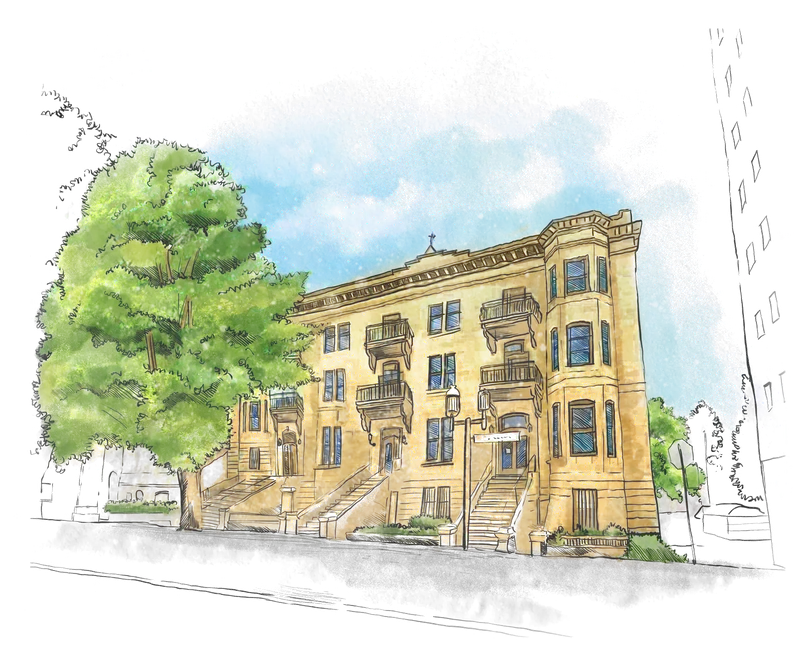
Helisis is a Montréal family business that owns the buildings it rents near McGill, and our own leasing and maintenance team looks after them. Tenants send repair requests online, and an emergency line answers 24/7. On our listings, a guarantor applies through the same form as the student, choosing that they are a guarantor, and receives their own application link. For questions about leases, guarantees or safety, ask our team.
Updated November 2026. General information, not legal advice.
Learn more:
Looking for an apartment near McGill?
Furnished, utilities included, minutes from campus.